March 12, 2026
Testosterone is a critical hormone in men that influences physical, mental, and emotional well-being. When testosterone levels decline below a healthy range, it can significantly impact quality of life. Understanding the effects of low testosterone is essential for men seeking to maintain energy, vitality, and overall health. By exploring symptoms, risk factors, and treatment considerations, men can make informed decisions with the guidance of qualified medical professionals. Evaluating hormone levels and working with experienced clinicians ensures personalized care and long-term health benefits. Recognizing early signs of hormone deficiency and taking proactive steps can prevent complications and improve overall wellness.
Understanding Testosterone and Its Role in the Body
Testosterone is a key hormone responsible for the development of male characteristics, muscle mass, bone density, and sexual function. It also influences mood, energy levels, and cognitive function. Low testosterone occurs when the body produces insufficient amounts of this hormone, potentially affecting multiple systems. According to Cleveland Clinic, testosterone levels below approximately 250 to 300 units are considered medically low, indicating a need for evaluation and potential intervention. Recognizing the physiological role of testosterone provides insight into why maintaining proper levels is crucial for overall health and well-being. Beyond physical effects, testosterone also contributes to motivation, stress management, and cardiovascular health, highlighting its importance for holistic wellness.
Recognizing Symptoms of Low Testosterone
Men with low testosterone may experience a range of physical and emotional symptoms. Common physical indicators include decreased muscle mass, increased body fat, reduced bone density, and fatigue. Sexual health is often affected, with decreased libido, erectile dysfunction, and difficulty maintaining sexual performance. Emotional and cognitive changes can include irritability, depression, and reduced focus. Awareness of these symptoms enables men to identify potential hormonal imbalances early and seek professional assessment. Timely evaluation can prevent complications and support better management of low testosterone. Additionally, some men may notice decreased body hair, poor sleep quality, or changes in skin texture, which can further signal declining hormone levels.
Identifying Risk Factors for Low Testosterone
Several factors contribute to declining testosterone levels. Age is a primary factor, as natural production tends to decrease gradually after 30. Lifestyle factors such as obesity, poor diet, lack of exercise, chronic stress, and inadequate sleep can also negatively impact hormone levels. Additionally, medical conditions, including diabetes, metabolic syndrome, and certain endocrine disorders, are associated with low testosterone. Understanding these risk factors empowers men to implement preventative measures and work with healthcare providers to optimize hormone health. Family history of low testosterone or hormonal disorders may also increase the likelihood of deficiency, emphasizing the need for personalized monitoring.
Evaluating Health Consequences of Low Testosterone
Low testosterone affects multiple aspects of health. Reduced bone density increases the risk of fractures and osteoporosis. Muscle weakness can impair mobility and daily functioning. Cardiovascular health may also be influenced, with some studies linking low testosterone to increased risk of heart disease. Emotional well-being can decline, leading to depression and anxiety. Early recognition and professional intervention are critical to mitigating these risks and supporting long-term wellness. Low testosterone is not merely a matter of physical changes; it can have profound effects on mental and emotional health. Moreover, insufficient hormone levels may contribute to decreased motivation, making it harder to maintain healthy lifestyle habits such as exercise and balanced nutrition, which can further worsen symptoms.
Understanding the Impact on Sexual Health
Sexual function is closely tied to testosterone levels. Men with low testosterone often report diminished libido, erectile difficulties, and reduced sexual satisfaction. These changes can strain personal relationships and negatively affect confidence. Addressing low testosterone with medical guidance can restore sexual function, improve intimacy, and enhance overall quality of life. Awareness of these issues helps men seek timely care and prevents prolonged physical and emotional distress. Treatments that restore hormone balance can also improve sperm quality and reproductive health, an important consideration for men planning families or concerned with fertility.
Recognizing the Role of Professional Diagnosis
Accurate diagnosis is essential for managing low testosterone. Blood tests measure hormone levels, and clinicians assess symptoms, medical history, and lifestyle factors to provide a comprehensive evaluation. Self-diagnosis or reliance on anecdotal information can lead to ineffective or unsafe treatments. Working with qualified healthcare providers ensures that men receive evidence-based recommendations tailored to their specific needs, supporting safe and effective interventions. Professional assessment also helps identify secondary causes, such as thyroid disorders or medications, that could be contributing to hormonal imbalance.
Exploring Treatment Options for Low Testosterone
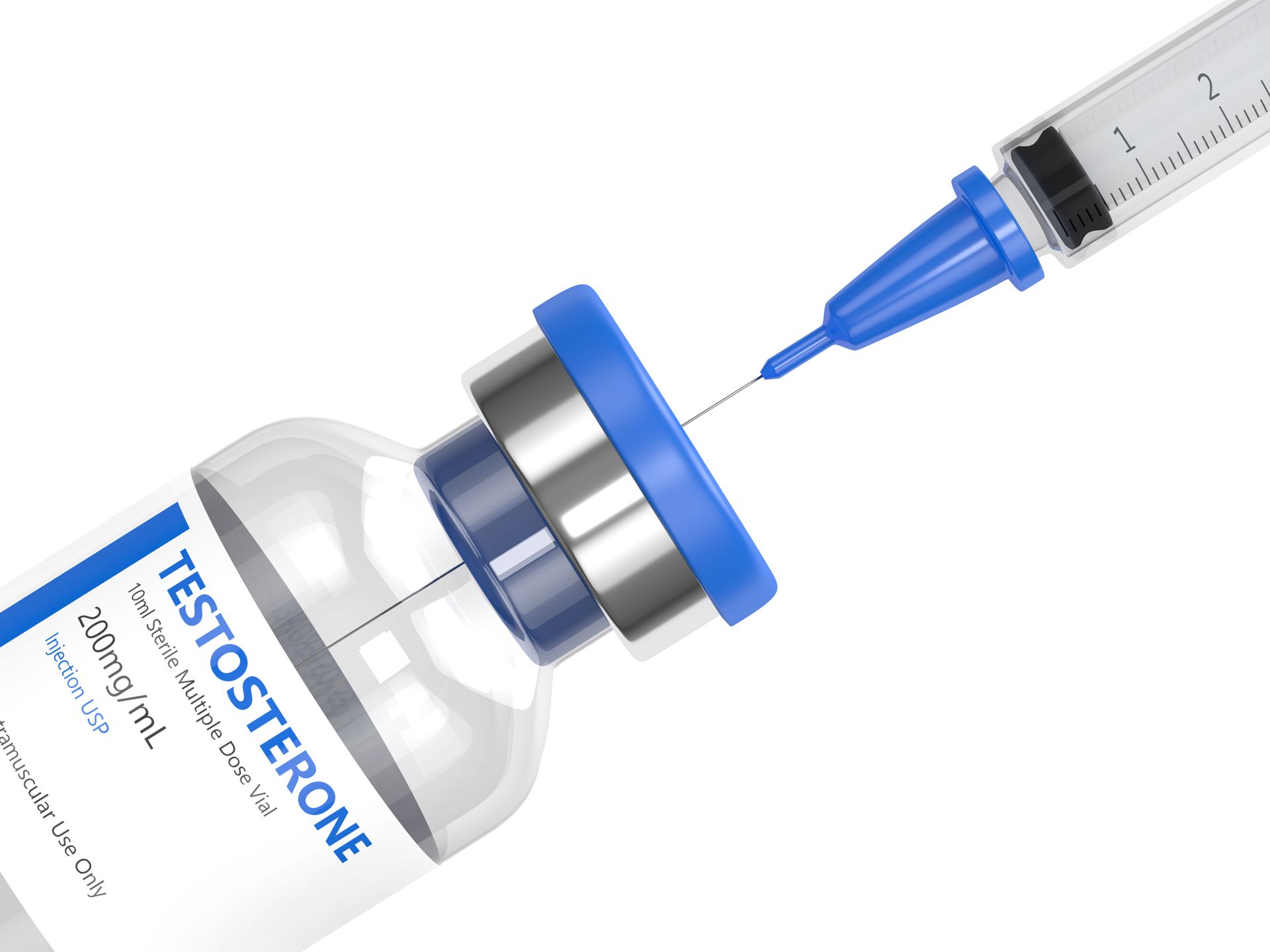
Treatment for low testosterone varies depending on individual health status and goals. Testosterone replacement therapy (TRT) is a common option, delivered via injections, gels, patches, or pellets. Medical professionals monitor therapy closely to ensure effectiveness, safety, and proper dosing. Lifestyle modifications, including improved nutrition, exercise, stress management, and sleep optimization, can complement medical treatments. Personalized care plans address both the hormonal and lifestyle aspects of low testosterone, enhancing overall health outcomes. Some men may also benefit from alternative treatments, including selective estrogen receptor modulators or human chorionic gonadotropin (hCG), depending on fertility goals and underlying conditions.
Understanding Lifestyle Interventions to Support Hormone Health
In addition to medical treatment, lifestyle choices play a significant role in maintaining healthy testosterone levels. Regular exercise, particularly resistance and high-intensity interval training, can naturally boost hormone production. A balanced diet rich in protein, healthy fats, and essential micronutrients supports endocrine function. Adequate sleep and stress management techniques, such as meditation or mindfulness, contribute to hormonal balance. Combining these strategies with professional treatment provides the most effective approach to managing low testosterone. Avoiding excessive alcohol and limiting exposure to environmental toxins, such as endocrine-disrupting chemicals, can further enhance hormonal health.
Monitoring Progress and Adjusting Care
Men undergoing treatment for low testosterone require ongoing monitoring. Regular blood tests track hormone levels and assess therapy effectiveness. Clinicians may adjust dosages or modify treatment methods based on patient response. Monitoring also ensures early identification of potential side effects or complications. Active participation in follow-up care empowers men to achieve optimal results while safeguarding their long-term health. Tracking changes in energy levels, mood, and physical performance also provides insight into the efficacy of treatment, allowing for real-time adjustments.
Enhancing Quality of Life With Professional Support
Addressing low testosterone with the guidance of experienced clinicians improves overall quality of life. Restored energy levels, increased muscle mass, enhanced sexual function, and improved mood contribute to physical, emotional, and social well-being. Partnering with knowledgeable healthcare providers ensures a comprehensive approach that combines medical intervention, lifestyle strategies, and ongoing monitoring. Professional support maximizes the benefits of treatment while reducing risks associated with hormonal imbalances. Men who seek timely intervention often experience renewed vitality, improved focus, and enhanced motivation for personal and professional goals.
Choosing the Right Clinic for Hormone Management
Selecting a trusted clinic or healthcare provider is essential for effective low testosterone management. Clinicians should have experience in hormone evaluation, personalized treatment planning, and ongoing patient support. Evaluating credentials, patient reviews, and available services helps men choose providers capable of delivering safe, evidence-based care. A collaborative relationship with a qualified clinic ensures tailored treatment, continuous monitoring, and reliable guidance throughout the process. Ensuring that the clinic follows up regularly and provides comprehensive education about treatment options strengthens long-term outcomes and patient confidence.
Low testosterone can significantly impact men’s health, affecting physical, emotional, and sexual well-being. Working with experienced professionals ensures accurate diagnosis, personalized treatment, and ongoing monitoring to optimize outcomes. Our team at Ultimate Men's Clinic combines expertise, advanced testing, and individualized care plans to help men restore hormone balance safely and effectively. Contact Ultimate Men's Clinic today to learn how professional evaluation and treatment for
low testosterone can enhance your energy, vitality, and overall quality of life.