March 16, 2026
Premature ejaculation (PE) is a common concern that can affect sexual satisfaction, confidence, and relationships. Although many men experience this condition at some point, premature ejaculation treatment options vary depending on the underlying causes. Because of this, it is important to ask the right questions when exploring possible solutions.
By understanding what contributes to premature ejaculation and what premature ejaculation treatment options are available, individuals can make informed decisions about their care. According to Mayo Clinic, a person might be diagnosed with premature ejaculation if they always or nearly always ejaculate within one to three minutes of penetration. The following questions can help guide conversations with healthcare professionals when considering premature ejaculation treatment.
1. What Are the Common Causes of Premature Ejaculation?
Understand the Biological Factors of Premature Ejaculation
Several biological factors may contribute to premature ejaculation. Increased sensitivity, changes in nerve response, or circulation issues can all influence sexual performance. Some men may also have genetic predispositions that affect how quickly ejaculation occurs during sexual activity.
Understanding the potential biological causes of PE is an important step in identifying appropriate premature ejaculation treatment options. A thorough evaluation can help determine whether underlying medical factors may be contributing to symptoms. Addressing these factors can support a more informed discussion about possible care strategies.
Recognize the Psychological Influences of Sexual Performance
Mental and emotional factors can also play a role in premature ejaculation. Stress, anxiety, and concerns about sexual performance can affect physical responses during intimate moments. When anxiety increases, it can create a cycle that makes it more difficult to maintain control.
Addressing emotional stress and focusing on overall wellness may help support better sexual health. Discussing concerns openly with a healthcare provider can help identify factors that may be influencing performance. Recognizing these influences can also support conversations about premature ejaculation treatment.
Evaluate the Role of Hormonal Balance
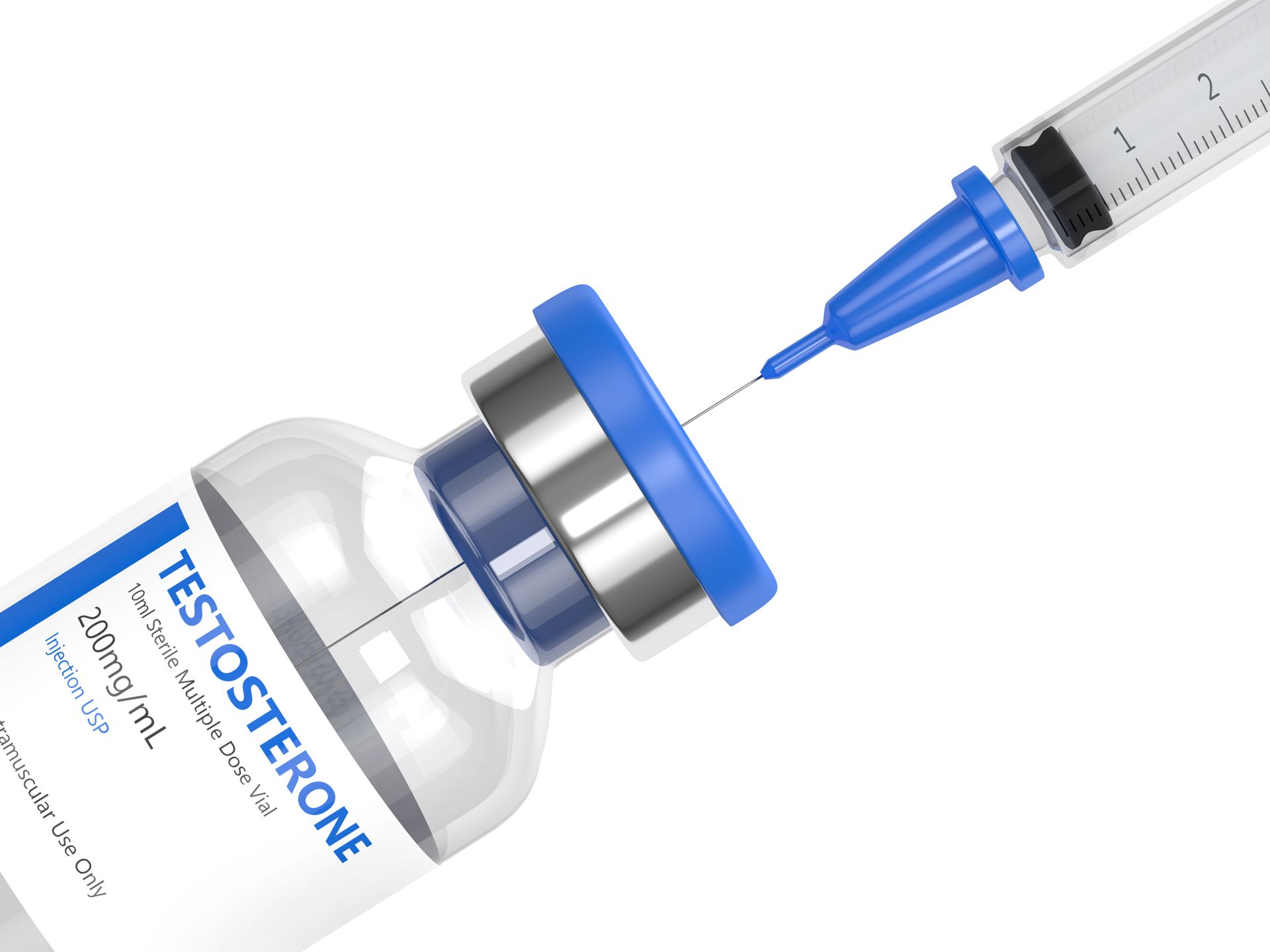
Hormones are closely connected to sexual health and overall vitality. Testosterone plays a key role in libido, energy levels, and sexual function. When hormone levels decline or become imbalanced, some men may notice changes in their sexual performance.
A medical evaluation may include testing to assess hormone levels. Identifying hormone imbalances can help healthcare providers determine whether hormone optimization or other therapies may support improved sexual wellness. Understanding these factors can also inform discussions about premature ejaculation treatment.
2. What Non-Invasive Treatment Options Are Available?
Strengthen the Pelvic Floor Muscles
Pelvic floor muscles support bladder control and play a role in sexual performance. Weak pelvic floor muscles can sometimes contribute to reduced control during sexual activity. Strengthening these muscles may improve overall function.
Some modern treatments use advanced technology to stimulate pelvic floor muscles and encourage stronger contractions. Strengthening these muscles may improve control, support bladder health, and contribute to improved sexual function. These therapies may also complement certain approaches to premature ejaculation treatment.
Asking whether pelvic floor strengthening therapies are available can help determine whether this approach may be part of a comprehensive treatment plan. Discussing available options with a healthcare professional can provide clarity about how these therapies fit into overall care. This conversation can help individuals better understand their options.
3. What Medical Treatments May Be Recommended?
Personalize the Treatment Plan
One of the most important questions to ask about premature ejaculation treatment is how care will be tailored to individual needs. Because PE can have many potential causes, treatment plans are often customized based on medical history, symptoms, and health goals. This approach allows providers to evaluate multiple contributing factors.
A comprehensive evaluation may include discussions about sexual health history, lifestyle factors, and laboratory testing. This information helps healthcare providers determine which therapies may be most appropriate. Careful evaluation supports a more structured approach to treatment planning.
Personalized care allows treatment strategies to address underlying factors rather than focusing solely on symptoms. Individualized planning can improve the overall care experience and support long-term sexual wellness. This approach can be an important part of effective premature ejaculation treatment.
Optimize Hormone Levels
Overall, hormone levels can influence several aspects of men's health, including sexual performance and energy levels. When testosterone levels decline, some men experience reduced libido, fatigue, or other symptoms that affect sexual health. Hormonal changes can influence physical and emotional wellness.
Testing hormone levels can help determine whether hormonal imbalance may be contributing to sexual concerns. If appropriate, hormone optimization may be recommended as part of a broader treatment plan designed to support overall vitality. Hormonal evaluation can also inform decisions related to premature ejaculation treatment.
4. How Effective Are Premature Ejaculation Treatments?
Understand Individual Response to Treatment
The effectiveness of treatment can vary from person to person. Factors such as overall health, underlying medical conditions, and lifestyle habits can influence how well a treatment works. Each individual may experience different outcomes.
Some individuals may notice improvements relatively quickly, while others may require adjustments to their treatment plan. Regular follow-up appointments can help healthcare providers monitor progress and modify treatment strategies when necessary. These evaluations may help refine premature ejaculation treatment plans.
Maintain Long-Term Sexual Health
Successful treatment often involves focusing on long-term sexual health rather than short-term symptom management. Addressing underlying factors such as hormone balance, circulation, and muscle strength may support more sustainable improvements. Long-term planning can contribute to better outcomes.
Combining medical therapies with healthy lifestyle habits may help individuals maintain improvements in sexual performance and overall wellness. These strategies may work together to support ongoing health and stability. Long-term care planning may also support consistent results from premature ejaculation treatment.
5. What Important Factors Should You Consider Before Choosing Treatment?
Review Medical History and Health Conditions
Personal medical history plays an important role in determining which treatments are appropriate. Certain health conditions may influence which therapies are recommended or how treatment plans are structured. Understanding these factors supports safer care decisions.
Discussing past medical conditions, medications, and lifestyle factors with a healthcare professional helps ensure that treatment decisions are made with safety and effectiveness in mind. A complete health evaluation can support more informed choices. This process may also help guide premature ejaculation treatment planning.
Consider Comfort and Treatment Preferences
Every individual has different comfort levels when exploring treatment options. Some men may prefer non-invasive therapies, while others may consider additional medical treatments depending on their symptoms and goals. Personal priorities can influence the decision-making process.
Open conversations with healthcare providers can help identify treatment approaches that align with personal preferences and health priorities. Clear communication can improve the overall care experience. This discussion may also help individuals explore premature ejaculation treatment options with greater confidence.
6. What Emerging Developments Exist in Men's Health Treatments?
Track the Progress of Sexual Health Care
Men's health treatments continue to evolve as research and technology advance. New therapies are focusing on improving circulation, supporting hormone balance, and encouraging natural tissue function. These developments reflect growing interest in comprehensive wellness.
These developments are expanding the range of options available for individuals experiencing sexual health concerns. Ongoing research continues to explore ways to support sexual function and overall health. These advancements may influence future premature ejaculation treatment strategies.
Premature ejaculation can be influenced by a variety of physical, hormonal, and lifestyle factors. Asking the right questions about evaluation methods, available treatments, and long-term health considerations can help individuals make informed decisions about care. Those seeking guidance can learn more about evaluation and treatment options through Ultimate Men's Clinic, where our men's health services address concerns such as premature ejaculation, erectile dysfunction, hormone imbalance, and overall male vitality.