March 16, 2026
Erectile dysfunction (ED) is a prevalent condition that significantly affects the quality of life for many men around the globe. It involves the consistent difficulty in achieving or maintaining an erection firm enough for satisfactory sexual activity. Although occasional erection problems are common, persistent symptoms may indicate an underlying health concern that requires attention.
The scope of this condition continues to expand as populations age and chronic health conditions become more common. According to John Hopkins Medicine, for 2025, the prevalence of ED is predicted to be approximately 322 million worldwide. This growing number highlights the importance of early diagnosis, open conversations, and access to effective erectile dysfunction treatment options.
ED is not solely a physical issue. Emotional stress, performance anxiety, and relationship strain often develop alongside the condition. Understanding how physical and psychological factors interact provides a clearer path toward selecting the most appropriate erectile dysfunction treatment for each individual. By exploring the causes, diagnostic methods, and available therapies, patients and providers can work together toward meaningful improvement.
The Physiology of Erectile Dysfunction
Normal Erection Mechanism
An erection begins with sexual stimulation, which may be physical or psychological. Signals from the brain travel through the spinal cord and into the nerves of the penis. These signals trigger the release of nitric oxide, which relaxes smooth muscle tissue in the corpora cavernosa. As these muscles relax, blood flows into the penile chambers, creating firmness.
When this coordinated process functions properly, an erection is achieved and maintained until ejaculation or the end of stimulation. Any disruption in nerve signaling, blood flow, or smooth muscle relaxation can interfere with this response and contribute to ED.
Role of Hormones in Erectile Function
Hormones play a foundational role in sexual health. Testosterone influences libido, mood, and energy levels. When testosterone levels fall below normal, sexual desire often decreases, and erectile function may suffer. Other hormones, including luteinizing hormone and prolactin, also help regulate reproductive health.
Hormonal testing is often part of the evaluation process, especially in men who report fatigue, low libido, or other symptoms of imbalance. In appropriate cases, hormone therapy may become part of a comprehensive erectile dysfunction treatment plan.
The Impact of Blood Flow Issues
Healthy blood vessels are essential for strong erections. Conditions that narrow or damage arteries can limit blood flow to the penis. Atherosclerosis, high blood pressure, and high cholesterol frequently play a role in ED.
Because penile arteries are smaller than coronary arteries, erectile problems may appear before signs of heart disease. Addressing vascular health through lifestyle adjustments and medical management often improves both cardiovascular wellness and erectile function.
Nervous System Contributions
The nervous system coordinates communication between the brain and reproductive organs. Neurological conditions such as diabetes-related neuropathy, multiple sclerosis, or spinal cord injuries may disrupt this signaling. When nerve impulses fail to reach the penile tissue effectively, erections become difficult to achieve.
Managing underlying neurological conditions and exploring supportive therapies are important components of a tailored erectile dysfunction treatment approach for affected individuals.
Psychological Influences
Emotional and mental health strongly influence sexual performance. Stress at work, financial concerns, depression, and relationship tension can interfere with arousal. Performance anxiety may create a cycle in which fear of failure leads to continued difficulty.
Recognizing psychological contributors allows healthcare providers to recommend counseling, stress management strategies, or therapy as part of a well-rounded erectile dysfunction treatment plan.
Common Causes of Erectile Dysfunction
Cardiovascular Conditions
Heart disease and hypertension are leading causes of ED. Damage to blood vessel linings reduces their ability to expand properly. When circulation is compromised, the penis cannot fill with enough blood to sustain an erection.
Managing cardiovascular risk factors often improves symptoms. Lifestyle changes combined with prescribed medications can significantly enhance outcomes.
Diabetes and Its Effects
Diabetes affects both blood vessels and nerves. Persistently elevated blood sugar damages delicate vascular tissue and interferes with nerve signaling. Men with diabetes frequently experience ED earlier than those without the condition.
Careful glucose control, regular exercise, and ongoing monitoring are essential. In many cases, combining diabetic management with targeted erectile dysfunction treatment leads to better results.
Hormonal Imbalances
Low testosterone remains one of the most common hormonal contributors to ED. Thyroid disorders and elevated prolactin levels may also interfere with sexual function. Blood tests help determine whether hormone levels are within normal ranges.
When imbalances are confirmed, hormone therapy may restore sexual desire and improve erectile performance.
Psychological Factors
Mental health conditions frequently overlap with ED. Depression can reduce libido, while anxiety can inhibit arousal. Relationship conflicts may further intensify symptoms.
Addressing these concerns through therapy or counseling often strengthens both emotional well-being and sexual health.
Lifestyle Influences
Smoking, excessive alcohol use, and sedentary habits all contribute to ED. Tobacco damages blood vessels, alcohol depresses the nervous system, and inactivity promotes weight gain and metabolic disease.
Adopting healthier routines can dramatically improve erectile function and reduce reliance on medication-based erectile dysfunction treatment strategies.
Diagnosis of Erectile Dysfunction
Medical History Review
Diagnosis begins with a detailed conversation. Healthcare providers ask about symptom duration, severity, lifestyle habits, and emotional health. Medication use is also reviewed, as certain drugs may interfere with erections.
Physical Examinations
A physical exam assesses cardiovascular health, hormone-related physical traits, and genital anatomy. Signs of vascular disease or nerve impairment may become evident during evaluation.
Laboratory Tests
Blood tests measure testosterone, blood sugar, cholesterol, and thyroid function. These results help identify underlying contributors that may require targeted management.
Psychological Assessments
When emotional stress or anxiety appears significant, a psychological evaluation may be recommended. This ensures that mental health receives proper attention alongside physical factors.
Specialized Diagnostic Tests
In complex cases, specialized testing such as penile Doppler ultrasound evaluates blood flow. Nocturnal erection testing may help distinguish between physical and psychological causes.
Medical Treatment Options
Oral Medications
Phosphodiesterase type 5 inhibitors are commonly prescribed medications. These drugs enhance blood flow by supporting the natural erectile response. For many men, oral medication represents a first-line erectile dysfunction treatment due to convenience and proven effectiveness.
Testosterone Replacement Therapy
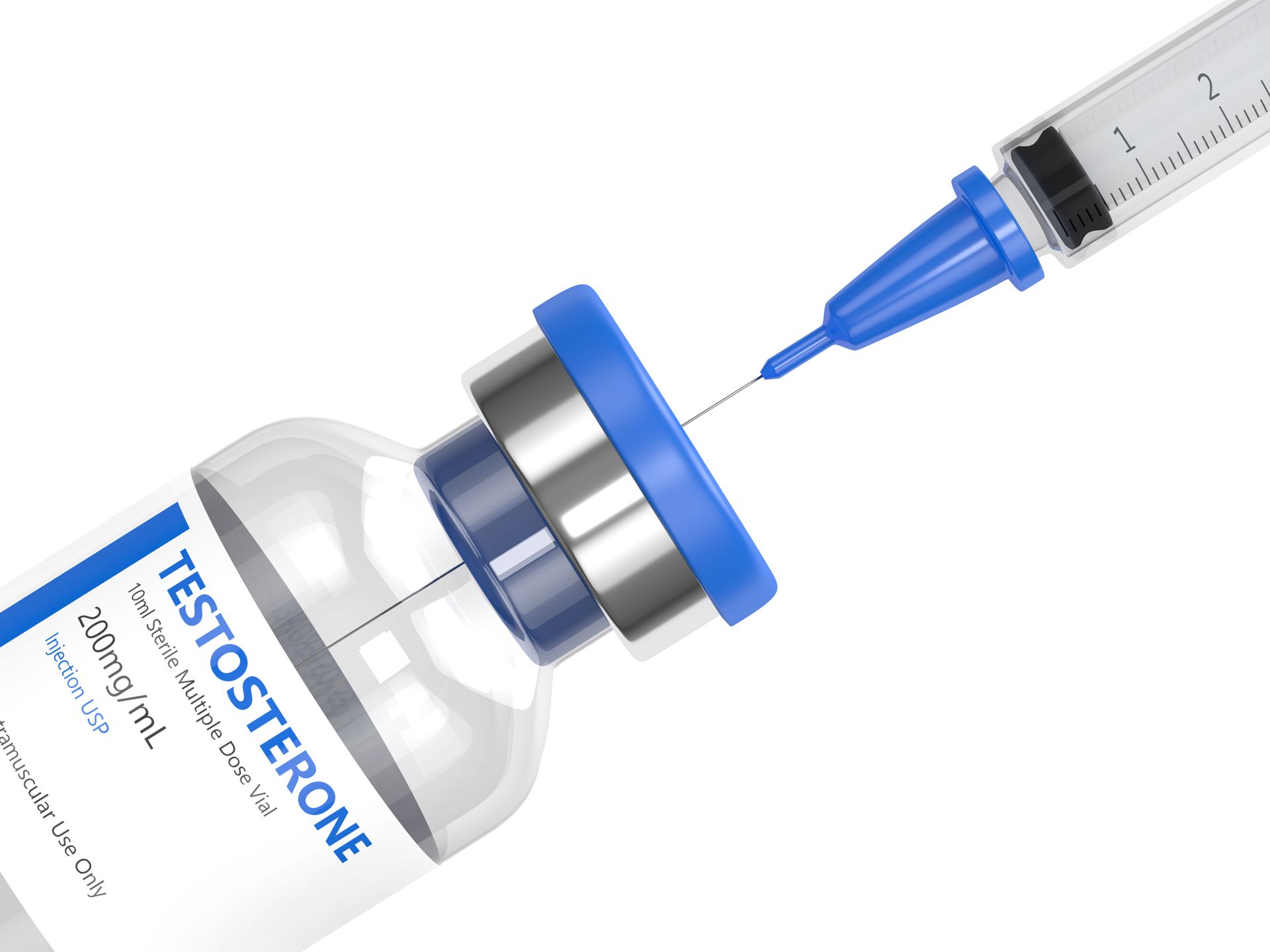
Men with clinically low testosterone may benefit from hormone replacement. Restoring levels can improve libido and energy while supporting erectile strength. Monitoring by a healthcare provider ensures safe and effective dosing.
Penile Injections
Injectable medications deliver vasodilators directly into the penile tissue. This method produces reliable erections for men who do not respond to pills. Training and proper dosing are essential for safety.
Vacuum Erection Devices
Vacuum devices draw blood into the penis using controlled suction. A constriction band maintains firmness during intercourse. This non-invasive option serves as an alternative erectile dysfunction treatment for men who prefer to avoid medication.
Surgical Interventions
Penile implants provide a long-term solution when other therapies fail. Inflatable or malleable devices are surgically placed within the penis. Although surgery involves risk, satisfaction rates remain high among appropriate candidates.
Erectile dysfunction involves a complex interplay of vascular, neurological, hormonal, and psychological factors. Early evaluation allows healthcare providers to identify underlying causes and recommend appropriate interventions. A wide range of erectile dysfunction treatment options now exists, from lifestyle modification and counseling to advanced medical and surgical therapies.
By approaching ED with openness and comprehensive care, individuals can restore confidence, strengthen relationships, and improve overall well-being. Continued research and patient education will further expand access to effective solutions in the years ahead. For more information, contact Ultimate Men's Clinic.